Microsoft
Design work for Microsoft, collected from the studios behind it.
- Design cases
- 30
- Studios
- 14
- Latest work added
- Apr 2026
- Campaign 12
- Motion Design 8
- Brand Identity 3
- Experience Design 3
- Installation 2
Design cases by studio
A preview of 6 cases across 6 studios. The full collection is included with Pro.
Buck (10)
- Virtual Environment Design for Microsoft Mesh
- BUCK collaborated with Microsoft to create Picnic Park, a playful mixed-reality world within the Microsoft Mesh platform. Inspired by playgrounds and public parks, the team designed an immersive environment where users appear bug-sized, encouraging unstructured exploration and social interaction. The result transforms virtual meetings into imaginative, interactive experiences that foster creativity and connection.
Koto (5)
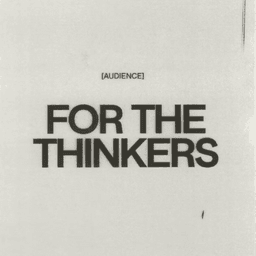
- Brand Positioning and Campaign for Microsoft Copilot
- Koto partnered with Microsoft to redefine Copilot’s storytelling through a ‘Humanist AI’ lens. The project shifted focus from product features to human empowerment, creating a flexible content system that celebrates real people and their creative journeys. The resulting campaign, ‘For The Thinkers,’ positioned Copilot as an enabler of clarity, curiosity, and confidence.
Instrument (3)
- Digital Storytelling Platform for Microsoft Unlocked
- Instrument partnered with Microsoft to create Unlocked, a digital platform showcasing human-centered stories about technology’s positive impact. Through immersive experiences, generative AI, and multimedia storytelling, the project brings complex ideas to life while highlighting the people empowered by innovation.

Studio Mega (2)
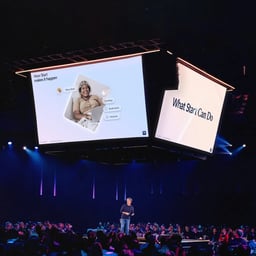
- Identity System for Microsoft Start
- Studio Mega collaborated with Microsoft’s Web Experience Collective to refine and expand the identity for Microsoft Start, a personalized news feed platform. The team developed a scalable visual system with adaptable guidelines and marketing tools to reflect the product’s dynamic and ever-evolving nature.
Further (1)
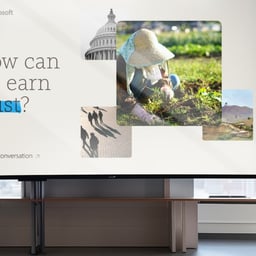
- Brand Identity and Design Strategy for Microsoft Social Impact
- Further collaborated with Microsoft to integrate social responsibility into its global brand strategy. The project involved creating a scalable identity framework and toolkit that empowers employees to make socially conscious decisions in their daily work.
The Colour Club (1)
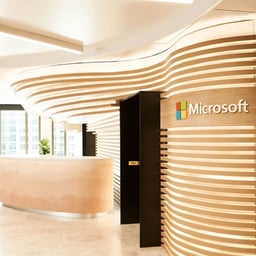
- Signage and Wayfinding for Microsoft Technology Centre
- The Colour Club collaborated with interior architects Tom Mark Henry to design a cohesive signage and wayfinding system for the Microsoft Technology Centre in Martin Place. The system introduced unique touchpoints tailored to each space, blending seamlessly with the centre’s natural material palette while encouraging creativity and exploration.
See all cases
Sign in to your Pro account to see all 30 cases for Microsoft. Full client collections require Pro.
Sign inDesigners behind the work
Designers and creative leads credited on Microsoft projects in press coverage.


