Design work for Google, collected from the studios behind it.
- Design cases
- 70
- Studios
- 28
- Latest work added
- Sep 2026
- Experience Design 16
- Campaign 12
- Brand Identity 11
- Motion Design 11
- Installation 5
Design cases by studio
A preview of 6 cases across 6 studios. The full collection is included with Pro.
Stink (16)
- Advertising Campaign for the Google App
- Stink Studios developed a brand campaign for Google to promote new search features within the Google app. The campaign included 24 short films highlighting everyday scenarios where the app provides helpful solutions, launched across multiple European markets and social platforms.

AKQA (7)
- AI-Powered E-Commerce Experience for Google
- AKQA collaborated with Google to create Generative Store, an AI-driven e-commerce platform powered by Gemini. The project transforms online shopping into a personalized, emotionally engaging experience by dynamically designing interfaces in real time based on user intent. It reintroduces storytelling and human-like interaction to digital retail, bridging the gap between boutique intimacy and digital scale.

Buck (6)
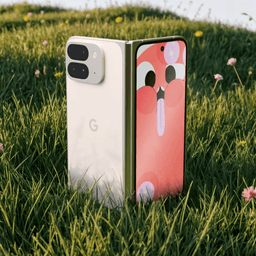
- Character Animation System for Google Pixel 9 Fold
- BUCK collaborated with Google to create 'Made You Look,' a playful feature for the Pixel 9 Pro Fold that transforms the phone’s outer display into an interactive character stage. Using expressive animations and machine learning, the system encourages genuine smiles by responding in real time to subtle facial cues. The result is a joyful, spontaneous experience that bridges technology and emotion.
Instrument (5)
- Interactive Installations for Google Horizon Event
- Instrument collaborated with Google to design a series of interactive installations that showcased the power of Google Cloud in surprising and engaging ways. The experiences, including data-driven visualizations, interactive mirrors, and emotion-detecting photo booths, were unveiled at the Horizon event for Fortune 100 executives in San Francisco.

Imaginary Forces (4)
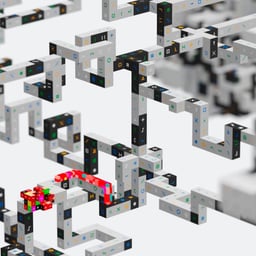
- Graphic System and Teaser for Google's Cybersecurity Docuseries
- Imaginary Forces collaborated with Google Creative Lab to create a dynamic graphic system and teaser for the six-episode docuseries 'Hacking Google'. The team developed a visual language built from 2D glyphs and 3D voxels to represent the evolving world of cybersecurity and the unseen battles fought by Google’s security experts.
Decimal Studios (3)
- Digital Experience Design for Google Playspace
- Decimal Studios collaborated with Google to create an interactive digital environment called Playspace. The project explores playful interaction and bold experimentation, translating Google's innovative spirit into an immersive online experience.

See all cases
Sign in to your Pro account to see all 70 cases for Google. Full client collections require Pro.
Sign inDesigners behind the work
Designers and creative leads credited on Google projects in press coverage.


