
POV Budapest
Budapest, Hungary16 Sept 2026 – 20 Sept 2026
Programme speakerBase Design
Base Design is an international branding and communications agency based in New York, known for building brands with cultural impact. Founded by Thierry Brunfaut, Dimitri Jeurissen, and Julien Renard, the studio combines strategic clarity with creative simplicity to craft distinctive brand identities and experiences. With offices across major global cities, Base has collaborated with leading cultural and commercial institutions including The Museum of Modern Art, Fondation Louis Vuitton, and Facebook. Their work spans art, fashion, hospitality, and technology sectors, consistently shaping brands that resonate across cultures and industries.
Works with SAA Series A, GT Alpina, Franklin, Cheltenham, Romain, Amiamie, Times New Roman, Zen Old Mincho
Awarded work credited to Base Design. Coverage is partial; projects may be shared with other studios.
Entrant Company, Design Agency: Base Design New York
3 more open roles across our studios — sign in free, then upgrade, to browse them all with apply links.
Sign in freeDesigners and creative leads attributed to Base Design in press coverage.
Technologies detected on Base Design's website.
Entrant Company, Design Agency: Base Design Saigon
Design Agency, Entrant Company: Base Design Brussels
Design Agency: Base Design Australia
Design Firm: Base Design / New York
Design Firm: Base Design / Melbourne
Agency: Base Design / New York
Design Firm: Base Design
Design Firm: Base Design · Design Firm: Rice Studios
Agency: Base Design
Agency: Base Design
Design Firm, Agency: Base Design · Creative Director: Min Lew · Designers: Ji Park · Developers: Viktor Chekryzhov; Viktor Tsarevskii; Olya Sidorchenko; Volha Trehobava; Adrian Chokanu; Vasya Mariinskii; Artem Lyustik · Producer: Vivian Valentin - Digital Producer · Other Credits: Inva Cota - Design Director; Sarah Lowndes - Digital Project Manager; Masha Basyrova - Project Manager; Daria Tishchenko - Project Manager; Andrey Starkov - Technical Director; Mirek Nisenbaum - Digital Director; Elizabeth Chubbuck - Chief Strategy Officer; Nick Tranchina - President; Andrea McBride - Director of Marketing; Jim McGrath - Consultant, Project management; Milana Sobol - Consultant, Project management; Eide Bailley - Integration/Software consultant; Jeffrey Waldman - Senior Design Director;
Design Firm, Agency: Base Design · Creative Director: Min Lew · Designers: Ji Park; Shirlin Kao · Developers: Artem Lyustik · Other Credits: Mikey Kelly - Motion Designer; Jun Hong - Senior Designer; Matthieu Cortat - Typography; Tanguy Vanlaeys - Type production; Sarah Labuda - Strategy Director; Harry Laverty - Senior Account Lead; Jeffrey Waldman - Senior Design Director; Craig Parsons - Senior Design Director; Yeon Ryoo - Senior Designer; Martin Schott - International Head of Creative, Production and Proposals; Amy Wexler - Global Chief Marketing Officer; Andy Ellis - Head of Experience Design & Research; Julie Bréthous - Lead Experience Researcher; Charlotte Adlard - Senior Marketing Manager
Design Firm, Agency: Base Design · Creative Director: Min Lew · Designers: Mitya Sudakov · Developers: Artem Lyustik; Olya Sidorchenko; Sergei Khegai; Volha Trehubava · Producer: Vivian Valentin - Digital Producer · Other Credits: Marc Hill - Senior Designer / Digital Strategist; Jerry Johnston - Strategist; Mirek Nisenbaum - Digital Director; Andrey Starkov - Technical Director; Harry Laverty - Senior Account Lead; Ji Park (Designer / Creative Technologist); Ross Gendels - Senior Design Director; Masha Basyrova - Project Manager; Chakshu Patel - Chief Advancement Officer; Elizabeth Karp-Evans - Director of Marketing; Shanna Kudowitz - Associate Director of Digital Marketing and Communication; Isata Yansaneh - Director of Marketing and Communications; Thelma Golden - Director and Chief Curator
Design Firm, Agency: Base Design · Creative Director: Min Lew · Designers: Jeffrey Waldman - Senior Design Director; Inva Cota - Design Director; Bryan Chu - Designer; Shirlin Kao - Designer · Producer: Jake Post · Other Credits: Yaniv Fridman - Motion Designer
Design Firm, Agency: Base Design · Creative Director: Min Lew · Designers: Jeffrey Waldman - Senior Design Director; Shirlin Kao - Designer · Copywriter: Katerina Mery · Photographer: Sarah Hopp · Producer: Jake Post · Other Credits: Mikey Kelly - Motion Designer
Design Firm, Agency: Base Design · Creative Director: Min Lew · Designers: Tom Fethers - Design Director; Jun Hong - Designer · Producer: Harry Laverty · Other Credits: Nol Honig - Motion Designer
Koto rebranded the Norton Museum of Art around the positioning line "Where Art Meets Life," presenting the West Palm Beach museum as an accessible community destination as well as an arts institution. The identity combines a custom heritage-inspired serif wordmark, Sharp Type's Centra No. 2, a revived Diana seal and a 40-degree slash motif. An adaptive colour system samples tones from displayed artworks across applications including posters, maps, advertising and the website.
BP&O’s Emily Gosling reviews Base Design’s rebrand for Ray’s Waterfront, a family-run seafood restaurant in Seward, Alaska. The identity draws on the restaurant’s 1980s heritage, featuring warm red and cream tones, nostalgic typography, and tactile details like matchbooks and postcards. Collaborations with illustrator Jake Foreman, photographer Jack Bool, and sign maker Tim Zamberlin reinforce the brand’s authentic, heartfelt character.
UnderConsideration’s Brand New features Base Design’s new identity for Yield Strength, an Australian cultural initiative. The project emphasizes data-driven and responsive design, with a proprietary typeface and bold yellow palette applied across print, signage, and environmental applications.
UnderConsideration’s Brand New briefly features Base Design’s new logo and identity for Irish furniture brand CloseCo. The project introduces a serif wordmark with a ligature and a bright yellow palette, signaling a refined yet approachable brand direction. The article is part of the 'Noted' category, offering a short overview rather than a full review.
Creative Boom’s article details how Base Design refreshed Birkenstock’s brand identity to move beyond its seasonal sandal image. By mining the company’s archives, the studio built a framework centered on Birkenstock’s heritage and innovation, introducing a dual tagline system and cohesive visual language. The refresh emphasizes clarity and consistency rather than reinvention, aligning the brand with its broader footwear ambitions.
The article by Tom May explores the ethical implications of designers presenting speculative or concept work as if it were real client projects. Through insights from various industry professionals, it concludes that while concept work is valuable for learning and showcasing creativity, it must be transparently labeled to avoid misleading clients or employers. The piece emphasizes honesty and context as key to maintaining professional integrity.
The article by Tom May explores the ethics of presenting concept or speculative design work as if it were real client work. Through perspectives from various designers and creative directors, it concludes that concept work has value for learning and showcasing skills, but must always be clearly labelled to avoid misleading clients or employers.
In this POV article, Base Design’s Thierry Brunfaut argues that opera and ballet institutions must radically rethink their branding to stay relevant. He suggests that the issue lies not in the art forms themselves but in how they are perceived and presented. By embracing dynamic branding, storytelling, and human-centered experiences, these institutions can attract new audiences and shed elitist reputations.
Creative Boom reports on Base Design’s new brand identity for Kanal – Centre Pompidou, a major cultural centre opening in Brussels in 2026. The studio created a multi-sensory system spanning visual, sonic, and motion layers, designed to evolve with the institution’s growth. The identity reflects the concept of 'Flow and Overflow', symbolizing openness and adaptability.
Base Design’s Brussels studio created a dynamic and flexible brand identity for Kanal, a new museum of modern and contemporary art and architecture opening in Brussels. The identity uses a custom variable typeface, Kanal Edge, and an open duotone colour system to reflect the institution’s evolving, participatory ethos. The project balances experimental, zine-like energy with a robust strategic framework that unifies its many cultural strands.
The Brand Identity interviews Base Design Associate Creative Director Ross Gendels about his independent magazine Quest, which uses sci-fi and fantasy as frameworks to explore politics, culture, and society. Gendels discusses the magazine’s reader-funded model, its collaborative digital design, and how speculative fiction informs his approach to branding and world-building. The conversation highlights Quest’s community-driven ethos and its blend of editorial experimentation and visual storytelling.
BP&O features Seachange’s branding for Evil Ray, an Australian sunscreen brand created by Pembleton. The design departs from traditional suncare aesthetics with Tarot-inspired illustrations by Reg Mombassa, bold purple and yellow colorways, and UV-reactive labels. The project showcases Seachange’s innovative approach to structural packaging and brand storytelling.
Base Design created a new brand identity for The Huntington, a century-old cultural institution in Southern California. The rebrand simplifies its name and visual system, introducing a refined 'H' monogram, typographic pairing of Moulin and Messina Sans, and a flexible color palette inspired by pigment and plant life. The project aims to unify the institution’s diverse offerings under a cohesive, contemporary identity while maintaining its heritage character.
Lisa Cain’s BP&O article explores how imperfection and hand-drawn illustration in packaging design can create authenticity and trust. Using Jo Cutri Studio’s work for Faithful To Nature as an example, it argues that looseness balanced with structure makes brands feel more human and persuasive. The piece contrasts this approach with overly polished, corporate packaging styles.
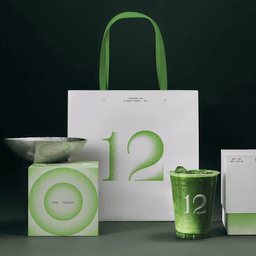
BP&O features Saint-Urbain’s brand identity for Yoshi, the first premium matcha liqueur. The project blends ritual and nightlife influences through hand-drawn typography, a swirl motif inspired by the matcha whisk, and a bold green packaging system. Writer Emily Gosling praises the design as a standout example of contemporary branding that feels both fresh and timeless.
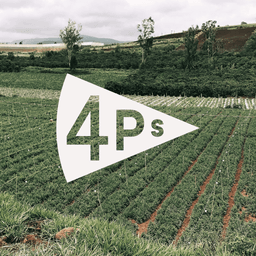
BP&O’s Emily Gosling reviews Base Design Saigon’s rebrand of Pizza 4P’s into 4P’s, a hospitality brand expanding across Asia. The identity introduces a new philosophy-driven positioning, ‘Platforms for Peace,’ along with refined typography, a blue-and-white palette, and a burrata mascot named BUU. While praising the visual design and type choices, Gosling critiques the confusing name and inconsistent apostrophe use.
BP&O announces a job listing for a Midweight Designer position at Base Melbourne, the newest branch of Base Design. The studio is a small, collaborative team working across diverse industries including arts, fashion, architecture, and tech, and is seeking a concept-led designer with skills spanning brand, digital, motion, and campaign work.
The Brand Identity interviews Base Design’s Associate Creative Director Ross Gendels and Editorial Director Julie Tentler ahead of their participation in POV Budapest. They discuss Base’s culture-driven approach to branding, the studio’s global network model, and how they’re adapting to industry changes such as AI integration. The conversation highlights Base’s philosophy of treating each brand as a unique culture and maintaining critical thinking as a core human advantage.
Design Firm, Agency: Base Design · Creative Director: Min Lew · Designers: Tom Fethers - Design Director, Ross Gendels - Senior Design Director, Jun Hong - Senior Designer, Yeon Ryoo - Senior Designer, Gabriela Carnabuci - Senior Designer, Shirlin Kao - Designer · Copywriter: Katerina Mery · Producer: Harry Laverty · Other Credits: Sarah Labuda - Strategist, Matthieu Cortat - Type Designer, Yaniv Fridman - Motion Designer, Mikey Kelly - Motion Designer