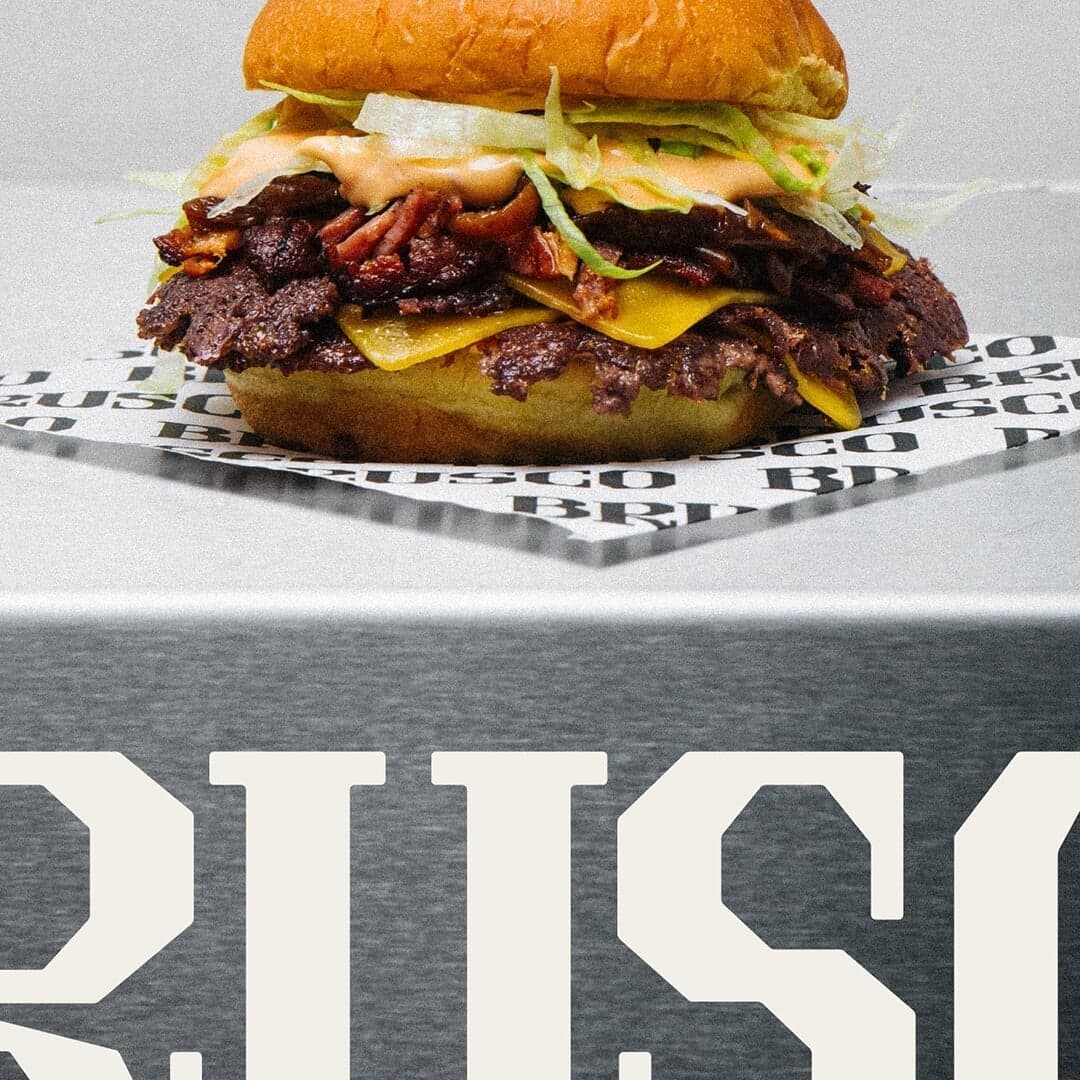
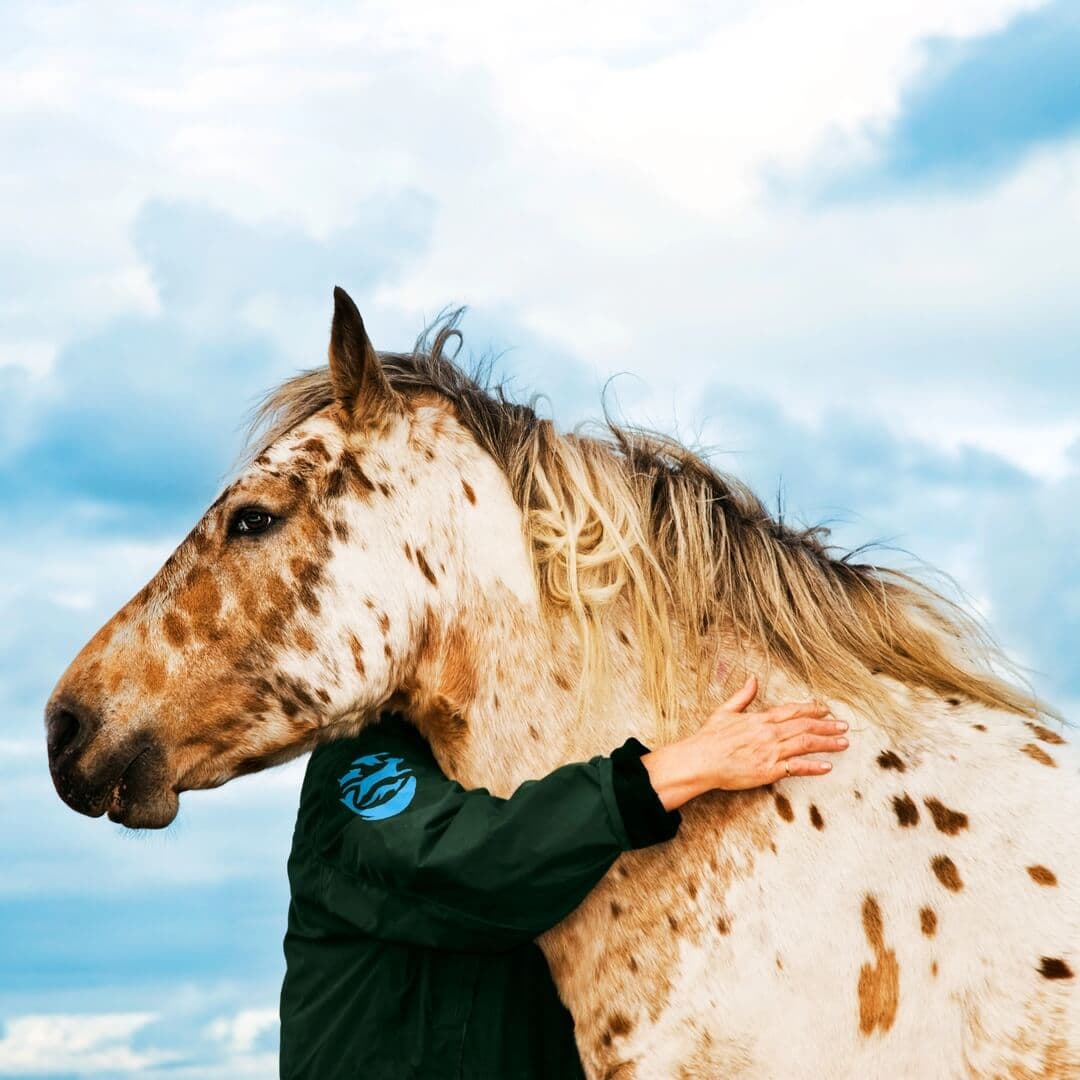
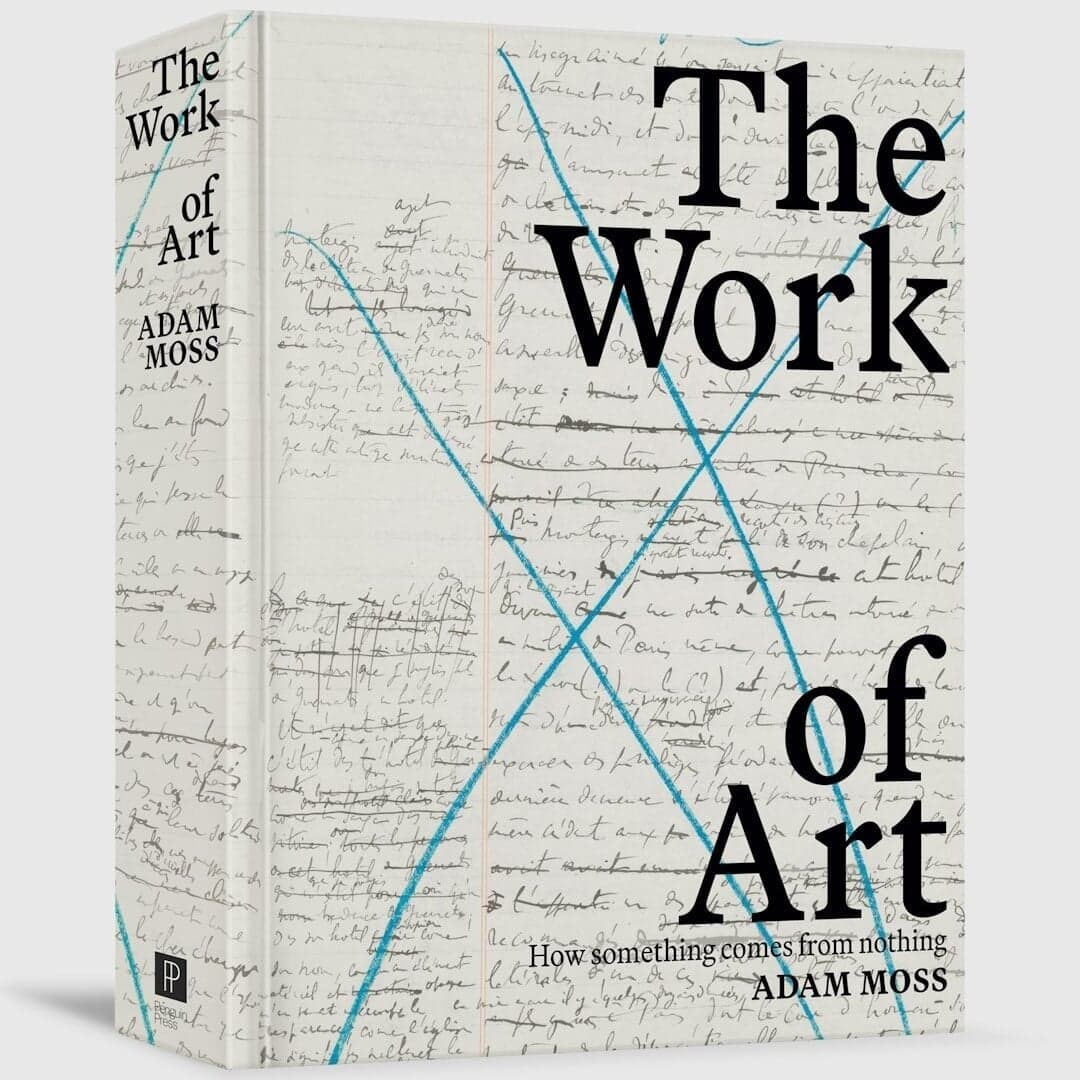
Used by Another Collective, Lippincott, Nomad, Pentagram
Set for Brusco, Lloyds, Sing King, The Humane Society of the United States
Cases set in Sharp Grotesk, as credited by the studios in their own writeups.
Creative Boom’s article by Tom May surveys the design community to identify 50 typefaces expected to trend in 2026. The roundup highlights a mix of contemporary and classic fonts from leading foundries such as Grilli Type, Klim, ABC Dinamo, and Pangram Pangram. It reflects a broader trend toward revisiting familiar grotesques and serifs with modern refinements for digital and branding applications.
BP&O’s Thomas Barnett reviews Studyhall’s self-initiated conceptual brand ‘Thick Pickle’, a humorous and maximalist identity project that blurs the line between satire and viable product. The article critiques its trend-driven nature and questions the seriousness of its intent while praising its visual exuberance and experimental design approach.
Resn designed the digital exhibition 'Sculpting Harmony' for Getty, celebrating the 20th anniversary of Frank Gehry’s Walt Disney Concert Hall. The interactive experience combines archival materials, 3D renderings, and dynamic typography that responds to user interaction and music. The project uses Sharp Grotesk and Reckless typefaces to balance expressive motion with readability, reflecting the spirit of Gehry’s architectural innovation.
Zagreb-based studio POPOLA created a refreshed identity for Dugine Obitelji (Rainbow Families), a Croatian LGBTQIA+ organisation. The design blends Balkan cultural motifs with a contemporary queer aesthetic, featuring a rainbow-shaped letterform logo, vibrant palette, and typefaces inspired by 1970s–80s Yugoslavian publishing. The project celebrates inclusivity and local heritage through thoughtful visual and material choices.