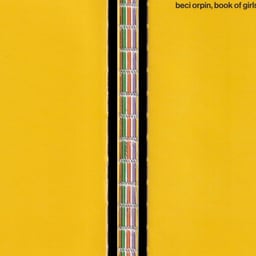
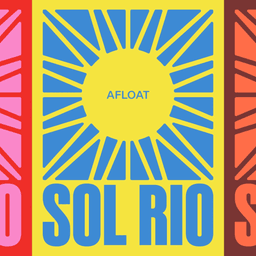
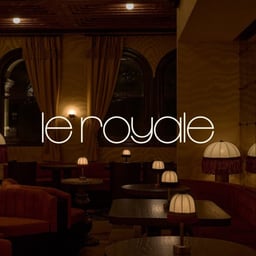
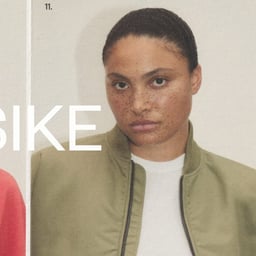
TRiC is a multidisciplinary design studio based in Tokyo and Melbourne, founded in 2020 by Creative Directors Tristan Ceddia and Rick Milovanovic. The studio explores the intersection of brand and culture through strategic design thinking across visual identity, creative direction, editorial design, packaging, and digital experiences. Represented by The ARTL—NE, TRiC collaborates with global brands including Nike, Google, and Mecca Cosmetica. Their work has been featured by The Brand Identity, It’s Nice That, and Viction:ary, and exhibited at NGV Melbourne Design Week and Tokyo Midtown Design Hub.
Technologies detected on TRiC's website.
Creative Boom’s 2025 Christmas advert roundup explores how major UK retailers and brands have balanced nostalgia, warmth, and realism in their festive campaigns. From Coca-Cola’s AI-enhanced heritage trucks to Asda’s live-action Grinch and Waitrose’s rom-com starring Keira Knightley, the ads reflect a generational shift toward sincerity and comfort. The piece highlights a year of cinematic storytelling and practical craft over digital excess.
The Brand Identity’s July 2025 edition of 'The Edit' spotlights five recent design projects, including Land of Plenty’s whimsical cookbook for Happy Endings, Monday Nights’ rebrand for the World Snooker Tour, TRiC’s nostalgic identity for Hector’s Bakery, Gemma Mahoney’s refined branding for PARCA, and Fiasco Design’s sensory identity for Britt Music & Arts Festival. Each project showcases distinct visual strategies across food, sport, retail, and cultural sectors.
The Brand Identity reports on Visual Electric’s expansion into AI-driven video generation, marking a major evolution from its image-based design platform. Co-founder Colin Dunn explains how the update unifies fragmented creative tools, allowing designers to generate motion content directly from images. The feature integrates multiple AI models and aims to redefine creative workflows for designers exploring motion and animation.
The Brand Identity’s May 2025 edition of The Edit spotlights five global design projects. Highlights include Dani Sampson and Marcus Cheong’s mythologically inspired water brand STYX, Faith Studio’s sustainable identity for Label-Up, KUYA’s campaign for Floyd Mayweather’s supplement brand, TRiC’s refined refresh for BASSIKE, and Tino Nyman and Yatofu’s vibrant packaging for EnjoyaBowl. Each project showcases distinct approaches to storytelling, typography, and materiality.
Creative Boom’s feature spotlights 'Travel Changed Me', a cinematic new campaign for luggage brand Away by Brooklyn agency American Haiku. Co-directed by FKA Twigs and Jordan Hemingway, the 35mm film explores travel as a transformative experience set in Bangkok. With lush cinematography by Lukasz Zal and production by Object & Animal, the campaign redefines travel advertising through emotional storytelling and artistic craft.
The Brand Identity interviews Colin Dunn, Co-founder and CEO of Visual Electric, about how the AI image generation platform empowers designers rather than replacing them. Dunn discusses the evolution of AI in creative workflows, the role of prompting, and how Visual Electric integrates into branding processes, citing examples like Smith & Diction’s generative identity for Alma. The conversation highlights AI as a creative tool that enhances, not diminishes, human craft.
The article by Tom May explores how creatives can raise their professional profiles without relying on social media, which is becoming less effective due to algorithmic changes and pay-to-play models. It highlights alternative strategies such as traditional PR, owned media like newsletters, SEO, and direct human engagement through events and personal outreach. The piece features insights from various industry professionals and agency leaders who share practical advice for building visibility and client relationships in 2025.
The Brand Identity interviews Melbourne-based studio SODAA, exploring how co-founders Thomas Benson and Taiki Monden balance creative passion with client satisfaction. The discussion covers their growth since 2018, their collaborative ethos, and their playful approach to design, including a 3D-rendered website and annual creative gifting projects. The studio emphasizes community, small-team culture, and long-term client relationships in the food and hospitality sectors.
The article profiles Melbourne-based design studio TRiC, founded by Tristan Ceddia and Rick Milovanovic, exploring how their friendship and shared design sensibilities shape their multidisciplinary practice. Known for balancing strategy and creativity, TRiC works across branding, books, events, and websites for clients in culture, fashion, and hospitality. The piece highlights their adaptable approach and the cultural influences that inform their design philosophy.
The article introduces Visual Electric, an AI-powered image generator designed specifically for designers. Co-founded by Colin Dunn, the platform addresses the shortcomings of existing AI tools by offering a spatial canvas, a library of handcrafted styles, and intuitive remixing features. It aims to streamline creative workflows and enhance the designer’s control over AI-generated imagery.
The article by The Brand Identity, written by Poppy Thaxter, highlights ten standout brand identities created for architecture practices around the world. It explores how each design captures the philosophy and vision of its respective studio, showcasing thoughtful and human-centered approaches to architectural branding. Featured projects include work by studios such as SPGD, Warriors Studio, and DutchScot.
Electric Studios collaborated with creative agency Dark Horses to create 'NISMO Electric Racer', a 16-bit browser-based racing game for Nissan. The project celebrates Japan’s gaming heritage with pixel art visuals and nostalgic arcade gameplay. The studio led creative direction, illustration, and animation, working with illustrator Kentaro Yoshida and animator Matias Poggini.
The article by The Brand Identity curates eight standout brand identities revitalizing the education sector, from schools and universities to learning platforms. Featuring studios such as MAKE, Decimal, Bleed, and Regular Practice, it celebrates bold, colorful, and playful design approaches that bring energy and creativity to educational branding.
The Brand Identity interviews Dinamo’s Head of Hardware, Simon Merz, about the creation of the new Dinamo Hardware UNLOCKED COLLECTION. The conversation, led by Head of Publishing Madeleine Morley, explores how Merz translates type design thinking into tangible products such as keychains, candles, mugs, and apparel. The piece highlights Dinamo’s focus on authenticity, craftsmanship, and playful material experimentation.
Cambridge-based studio The District created a vibrant, geometric identity for St Paul’s Primary School, inspired by the concept of ‘Life in all its fullness.’ The design uses bold shapes and colours to reflect the school’s diversity and community spirit, paired with the Rational typeface by Studio René Bieder. The result is a playful yet sincere visual system that captures the energy of the school environment.
The Brand Identity interviews Electric Red co-founder Svyat Vishnyakov about launching the studio in New York after moving from Russia. He discusses the challenges of adapting to a new professional culture, language barriers, and the rewards of seeing their design work in the real world. The conversation also touches on their cross-cultural projects, including work for the Golden Mask theatre festival and the Russian Pavilion at the Venice Architecture Biennale.
New York-based studio Electric Red created an interactive, user-generated flag titled CTATYC for the 2021 Venice Biennale. The project explores collective representation and digital collaboration, allowing users to influence the flag’s evolving design through an online platform. The final flag was printed and displayed in the Russian pavilion, reflecting the Biennale’s theme of shared living and co-creation.
The Brand Identity’s feature, part of its A Paper series with Antalis Creative Power, explores the relationship between strategy and design. Through interviews with strategists and creative leaders from Two Times Elliott, The District, and Mother Design, the article discusses how strategic thinking shapes, supports, and enhances the creative process. The conversation highlights the balance between structure and creativity and the importance of integrating strategy within design practice.