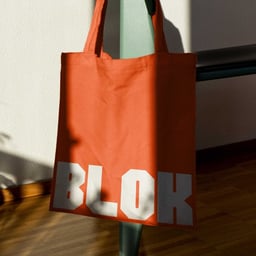
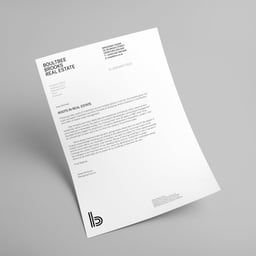
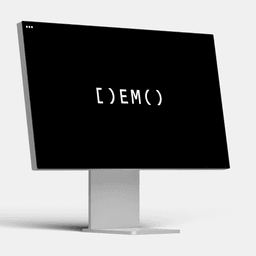
Studio.Build is a London-based creative agency founded by Michael C Place, renowned for its bold, concept-driven design across brand identity, print, digital, and motion. The studio collaborates with global clients including Nike, Virgin, and Design Museum, blending strategic thinking with distinctive visual storytelling. Known for its meticulous craft and contemporary aesthetic, Studio.Build has earned recognition from D&AD and Creative Review for its innovative work. With a multidisciplinary approach, the team consistently delivers design solutions that connect brands with audiences through clarity, creativity, and cultural relevance.
Technologies detected on Build's website.
In this week’s Creative Career Conundrums column, Alex Bec, CEO of It’s Nice That, offers advice to a design director seeking new challenges after years in small agencies and startups. Bec encourages the reader to focus on company scale and to refine their job wish list to better target opportunities in larger organizations. The piece also highlights current creative job openings from If You Could Jobs.
Creative Boom’s feature on 'WipEout Futurism: The Graphic Archives' highlights a new book by Thames & Hudson chronicling the design legacy of the cult 1995 video game WipEout. Written by Duncan Harris with art direction by Michael C Place and a foreword by Ian Anderson, the book explores The Designers Republic’s influential visual identity and its impact on gaming and graphic design culture. The article celebrates the fusion of music, design, and gameplay that made WipEout a cultural icon.
SEESAW features Build In Amsterdam, a digital agency known for creating brand and e-commerce experiences that merge strategy, branding, and technology. The listing highlights the studio’s focus on building digital flagship stores and notes the use of Neue Haas Grotesk Display and Reckless Neue typefaces.
The article covers Mate Act Now, a global poster campaign initiated by New Zealand designer Chris Flack to mark the 50th anniversary of Earth Day. Over 130 designers and studios worldwide contributed posters promoting climate action, with proceeds from a printed publication going to Red Cross Disaster Relief and Recovery Australia. The project demonstrates the design community’s ability to unite for environmental causes.
Building Paris created the identity and signage for Le Garage, a restored vehicle garage turned art centre in Amboise, France. The project features a custom monospace typeface inspired by number plates, developed with Simon Penard-Philippe, and a flexible grid system adaptable for in-house use. The design supports the centre’s biannual exhibition programme with a cohesive visual language.
BP&O features Build’s new visual identity for Leeds-based creative store Colours May Vary. The project combines playful geometric shapes, custom typography, and metallic foiling to express the brand’s creative and material diversity. The identity extends across print and digital touchpoints, with a website developed by Hungry Sandwich Club.
The Brand Identity interviews Fuzzco co-founder and creative director Helen Rice about the studio’s dual presence in Charleston and Portland, their collaborative culture, and their approach to creating distinct, playful brand experiences. The discussion covers notable projects such as AIR Serenbe, FIG, and Coast Brewing, as well as internal ventures like Serious Buildings and Pretend Store. Rice also shares insights into Fuzzco’s design philosophy, color choices, and evolving service offerings including content creation and photography.
BP&O features Build’s brand identity and packaging design for Tulura, an independent botanical skincare brand founded by Eileen Feighny. The design balances clinical precision with handcrafted warmth through minimalist typography, blind embossing, and contrasting materials. The result positions Tulura as a small but confident luxury brand with a clear, honest aesthetic.
The Brand Identity interviews Michael C Place of Build, discussing the studio’s move from London to Leeds and their approach to branding projects for clients like Plæy, Nike, and Gavin Coyle. Place explains Build’s design philosophy, emphasizing modularity, simplicity, and collaboration. The conversation also touches on their process, use of color and typography, and the importance of social media for studios.
The Brand Identity interviews Zebra, an independent design consultancy based in Singapore and Perth, co-founded by Martin Maher and Michelle. The discussion covers their origins, approach to small-scale collaboration, notable branding projects for clients like Affinity, 100 Pasir Panjang, and American Express, and their evolving interest in digital design. Maher reflects on their design philosophy, type choices, and the benefits of staying small and hands-on.