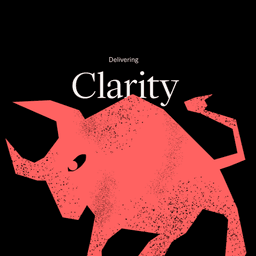
DixonBaxi is a London-based branding and design agency founded by Simon Dixon and Aporva Baxi. The studio partners with global brands to craft bold identities, digital experiences, and motion systems that inspire cultural change. Known for its fearless approach to creativity, DixonBaxi has collaborated with clients including Netflix, Premier League, and Audible. Their work has earned recognition from D&AD, Creative Review, and Cannes Lions. Driven by the belief that brave brands change the world, DixonBaxi combines strategic insight with expressive design to help organizations define and share their purpose with clarity and impact.
Technologies detected on DixonBaxi's website.
This article from It’s Nice That’s 'Creative Career Conundrums' column, written by Katie Cadwell, offers advice to a mid-career professional seeking to transition into graphic design. Cadwell encourages leveraging existing industry experience, learning design fundamentals through courses like Shillington or online resources, and mastering tools such as Adobe and Figma. She emphasizes that stepping down to a junior role can be a strategic move toward becoming an art director within a decade.
Creative Boom announces the return of its podcast for Season 11, hosted by founder Katy Cowan and supported by Adobe. The season explores how creatives remain human amid rapid technological and cultural change, featuring guests such as Nicki Sprinz, Aporva Baxi, Liz Seabrook, and Jessie McGuire. Through personal stories and reflections, the series highlights resilience, authenticity, and the enduring value of human creativity.
At December’s Nicer Tuesdays event in London, Tom Pelling from DixonBaxi discussed how the studio is rethinking the way branding agencies operate. He spoke about initiatives like creative sabbaticals and open-sourcing knowledge to make the design industry more transparent and collaborative.
In this edition of Creative Career Conundrums, Katie Cadwell advises a designer on how to set boundaries when asked to act as the public face of their studio online. She emphasizes the importance of protecting one’s personal brand, offering strategies to engage professionally without compromising authenticity. The piece underscores the value of personal branding and self-advocacy in creative careers.
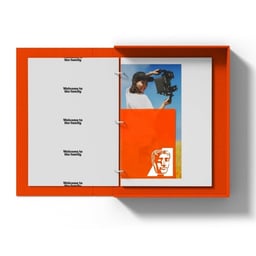
The article profiles DixonBaxi’s new 500-page book 'Remix', a self-published manifesto exploring the studio’s creative process. The publication acts as a visual scrapbook of sketches, notes, and unfinished work, emphasizing the messy and collaborative nature of creativity. Co-founder Simon Dixon describes it as both a retrospective and a statement on the agency’s evolving design philosophy.
Creative Boom’s feature explores how DixonBaxi maintains creative confidence through its philosophy of 'serious play'. Founders Simon Dixon and Aporva Baxi discuss emotional intelligence, openness, and reinvention as key to staying relevant in a fast-changing design landscape. The article offers a behind-the-scenes look at the studio’s culture, processes, and optimism about creativity’s role in the world.
Creative Boom’s feature explores DixonBaxi’s new 500-page book, REMIX, a bold and tactile chronicle of the studio’s creative process. Co-founders Simon Dixon and Aporva Baxi describe it as part manifesto, part diary, capturing 18 months of experimentation, collaboration, and design culture. The project celebrates imperfection, spontaneity, and the joy of making, with both a physical and digital edition designed to immerse readers in the studio’s world.
Creative Boom’s interview with Simon Dixon explores how DixonBaxi built its reputation through patience, values, and a people-first philosophy. Dixon discusses the studio’s evolution, its decision to reject toxic clients, and its commitment to creative experimentation through initiatives like 'Super Futures'. The piece highlights how DixonBaxi defines success on its own terms, focusing on purpose, collaboration, and human insight.
The Brand Identity interviews DixonBaxi Senior Designer Agata Walas-Popiel about her journey from fashion model to designer, her role at DixonBaxi, and her efforts to champion Polish design through the relaunched Polish Design Scene platform. She discusses mentorship, studio culture, and bridging Polish and global creative communities. The conversation highlights her passion for collaboration, education, and cultural exchange within design.
Creative Boom has launched The Studio, a private online community for creative professionals that has quickly grown into a global hub for learning and networking. The platform offers curated events, workshops, and discussions led by industry leaders, providing freelancers and creatives with meaningful connections and practical insights. The article highlights its rapid growth, notable speakers, and upcoming sessions throughout 2025.
Creative Boom’s 2025 roundup highlights 25 studios shaping the global design landscape. From Porto Rocha’s socially conscious branding to DixonBaxi’s strategic systems and Hey Studio’s joyful minimalism, the list celebrates studios that combine creativity with purpose. The article underscores a shift toward collaboration, diversity, and design leadership across continents.
Creative Boom’s article by Tom May offers practical advice for freelancers on how to set their rates confidently and sustainably. Drawing on insights from artists, designers, and copywriters, it covers strategies like factoring in all costs, asking for budgets upfront, defining minimum rates, and valuing work appropriately. The piece encourages freelancers to treat pricing as a business decision and to maintain boundaries with clients.
Creative Boom reports that OFFF Barcelona will celebrate its 25th anniversary in 2025 with its most ambitious edition yet, featuring a new brand identity by COLLINS. The festival will expand city-wide with public installations, workshops, and talks by leading creatives including DixonBaxi, Territory Studio, and Ines Alpha. The rebrand reflects OFFF’s evolution into a global hub for design and digital culture.
The Brand Identity interviews Monday Nights founders Matthew Caldwell and Daniel Allan about their first year running the UK-based design studio. They discuss their origins after working together at DixonBaxi, their optimistic approach to launching the studio, and key projects like the World Snooker Tour rebrand. The duo emphasize their creative chemistry, process of 'raw invention,' and the importance of staying naïve and optimistic.
The Brand Identity interviews Simon Dixon, co-founder of London-based agency DixonBaxi, about the studio’s evolution, philosophy, and approach to branding. Dixon discusses their global rebrand for Eurosport, emphasizing strategy, testing, and cohesive design systems. The conversation also touches on studio culture, hiring values, and balancing creativity with large-scale corporate work.