Caserne is an award-winning design studio based in Montreal, known for crafting bold, concept-driven brand identities and visual systems that resonate across industries. Led by creative directors Catherine D’Amours and Julien Boisseau, the studio blends strategic thinking with striking design to build enduring brands. Caserne’s multidisciplinary expertise spans branding, packaging, print, and digital design. Their clients include FORUM, Olive + Gourmando, and the Montreal Museum of Fine Arts. Recognized as ADCC Design Studio of the Year, Caserne has earned top honors from the Art Directors Club, Type Directors Club, Dieline, Idéa, and Applied Arts.
Technologies detected on Caserne's website.

Montreal studio Caserne refreshed the identity of Olive + Gourmando, a beloved local café and restaurant, to support its expansion into new locations. The rebrand introduces a 'crumbled type' system that captures the brand’s organised chaos while maintaining its artisanal warmth. The new identity balances flexibility and authenticity through a typographic system, terracotta-inspired palette, and adaptable logo structure.
BP&O features Caserne’s refreshed identity for Montréal bakery Olive + Gourmando, created to support its expansion while maintaining its artisanal warmth. The flexible wordmark, earthy palette, and tactile materials convey a sense of charm and authenticity, complemented by playful digital details and understated illustrations. The result is a cohesive, tasteful brand that balances warmth with modernity.
Elizabeth Goodspeed critiques the rise of prefab brand identities sold through platforms like Lyon & Lyon’s Brands Like These. She explores how off-the-shelf branding commodifies design, reducing collaboration and authorship while appealing to startups seeking quick, affordable identities. The article situates this trend within a longer history of speculative branding and self-initiated design work.
Creative Boom reports that OFFF, the international creative festival founded in Barcelona, will host its first Montréal edition in September 2025. The event, designed in collaboration with local studio Caserne, will feature talks, workshops, and studio visits at the Société des arts technologiques. The festival emphasizes cross-disciplinary creativity, blending design, technology, and even winemaking to reflect Montréal’s unique creative culture.
Montréal-based studio Caserne has rebranded Club Piscine to celebrate the retailer’s 35th anniversary, modernising its identity while preserving its playful heritage. The refreshed design retains the iconic smiley and vibrant color palette, introducing a new wordmark set in Dinamo’s Diatype Rounded typeface. The result balances fun and sophistication, connecting with a new generation of customers while honoring the brand’s legacy.
The article by The Brand Identity, written by Poppy Thaxter, explores the expressive potential of the color orange in branding and identity design. It highlights seven projects from studios around the world that use orange to convey warmth, energy, and emotional resonance across diverse industries.
The Brand Identity’s article by Poppy Thaxter spotlights seven branding projects that creatively use the color orange across diverse industries. Featuring studios like Caserne, B&B Studio, and Glasfurd & Walker, the piece explores how orange conveys warmth, energy, and emotional depth in identity design. It highlights the hue’s versatility, from subtle accents to dominant brand palettes.
The article by The Brand Identity, written by Poppy Thaxter, curates eight branding and design projects that explore the evolving concept of health. It highlights how studios around the world approach physical, mental, and social well-being through thoughtful design across wellness, femtech, and mental health sectors.
This interview with designer Sébastien Paradis explores his transition from a decade of freelancing to joining Montreal-based studio Caserne full-time. Paradis reflects on his career path, creative philosophy, and notable projects such as the Maitri cannabis brand packaging. He discusses the value of collaboration, the Montreal design scene, and his admiration for Caserne’s culture and community-driven initiatives.
Montreal-based studio Caserne created a sensory brand identity for the immersive exhibition Recharger Unwind, combining warm gradients and organic textures with a structured digital grid. The identity features a custom typeface with large inktraps and TWK Lausanne to balance digital precision with human warmth.
Montreal-based studio Caserne developed the visual identity for the Musée d’art Contemporain de Montréal’s exhibition 'Des horizons d’attente,' which also served to announce the museum’s temporary closure. The design uses Dinamo’s Favorit typeface and a simple horizontal divide with contrasting pink, green, and yellow tones to convey optimism and transformation. The project balances neutrality and vibrancy to complement the exhibition’s reflective theme.
The Brand Identity interviews Caserne’s creative director Ugo Lachapelle about Caserne Inn, a conceptual members-only resort created during the pandemic to raise awareness of isolation’s impact on mental health. The project includes a line of merchandise whose profits go to le CIEL, featuring a vintage hospitality-inspired identity and a short film directed by Charlotte Ratel. The initiative reflects Caserne’s self-initiated approach to creative expression and social responsibility.
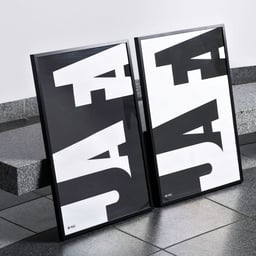
Caserne created the visual identity for Arthur Jafa’s exhibition 'Love Is the Message, the Message Is Death' at the Musée d’art contemporain de Montréal. The design uses bold typography and contrasts of positive and negative space to reflect the exhibition’s themes of beauty, madness, and protest. The identity appears across posters and the exhibition catalogue.