Victoria & Albert Museum
Design work for Victoria & Albert Museum, collected from the studios behind it.
- Design cases
- 12
- Studios
- 6
- Latest work added
- May 2026
- Campaign 5
- Exhibition Design 3
- Print Design 2
- Brand Identity 1
- Signage & Wayfinding 1
Design cases by studio
A preview of 6 cases across 6 studios. The full collection is included with Pro.
A Practice for Everyday Life (4)
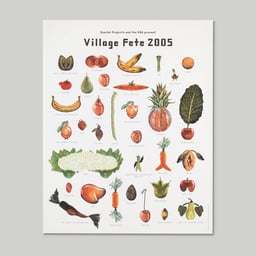
- Poster Design for V&A Village Fête 2005
- A Practice for Everyday Life created a poster and accompanying 'Judge’s Guide' for the Victoria & Albert Museum’s Village Fête 2005. Drawing inspiration from traditional English countryside fairs and fruit-and-vegetable competitions, the design featured whimsical produce illustrations adapted from Mexican imagery to represent each participating designer.
KesselsKramer (3)
- Campaign for V&A Modern Rebels
- KesselsKramer collaborated with the Victoria and Albert Museum to create the 'Modern Rebels' campaign, celebrating the spirit of creativity and defiance in contemporary culture. The project highlighted the museum’s rebellious side through bold visuals and provocative messaging that connected historical innovation with modern expression.

Hingston (2)
- Campaign and Exhibition Design for V&A Fashioning Masculinities
- Hingston Studio developed an expansive campaign and exhibition identity for the Victoria & Albert Museum’s landmark show 'Fashioning Masculinities: The Art of Menswear'. The performance-led visuals, created through collaboration with photographer Julian Broad and choreographer Russell Maliphant, captured dynamic movement to reflect the evolving nature of masculinity and men’s fashion across centuries.

TEMPLO (1)
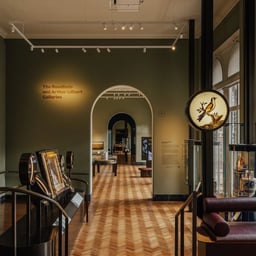
- Exhibition Design for the V&A Gilbert Galleries
- TEMPLO developed the graphic, interpretive and visual system for the V&A's reimagined Gilbert Galleries, which house the Rosalinde and Arthur Gilbert Collection. The accessible, modular system was designed for long-term repair, updating and material reuse, supporting a sustainable gallery redevelopment.
DNCO (1)
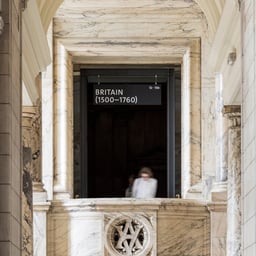
- Wayfinding System for the Victoria and Albert Museum
- DNCO developed a comprehensive wayfinding system for the Victoria and Albert Museum in London, unifying seven miles of galleries across three interconnected buildings. The design uses colour strategically to guide visitors, improves navigation through re-numbered floors and redesigned maps, and employs refined materials to complement the museum’s historic architecture.
Saffron (1)
- Brand Identity for the Victoria and Albert Museum
- Saffron collaborated with the Victoria and Albert Museum to redefine its brand identity and architecture. The project aimed to capture the museum’s spirit of ingenuity and imagination while creating a cohesive experience that supports its global expansion.

See all cases
Sign in to your Pro account to see all 12 cases for Victoria & Albert Museum. Full client collections require Pro.
Sign inDesigners behind the work
Designers and creative leads credited on Victoria & Albert Museum projects in press coverage.