← Back to Tags


Museum Branding: Cultural Identity and Digital Examples
All 696 cases tagged "museum"
by Instrument
by Bond
Museums need to express a point of view while helping people explore complex programmes and collections. This selection includes museum identities, a digital extension, an art centre and a forthcoming cultural institution; the scope of each contribution is stated separately.
Each project links to its D1S1 record and the studio’s own account. The grouping and practical comparisons are D1S1 editorial interpretation, not claims of commercial performance.
The building can supply a form without becoming a literal logo illustration.
A Practice for Everyday Life connects the A in CAM’s logotype to the curved canopy of Kengo Kuma’s architectural intervention. Enlarged letters and colour support communications, merchandise and exhibition graphics. The architectural reference becomes a flexible graphic device rather than a literal drawing of the building.
BOND derives a modular wordmark from the planned cultural centre’s pillars and façade rhythm, using Aimur Takk’s Newfound Type. The mark can also turn into the folkloric bird behind the name. This is a pre-opening identity for a forthcoming institution, showing how a system can communicate before the building is in use.
A cultural venue needs room for several activities without making each one a separate brand.
Smiling Wolf develops one identity and digital toolkit for a venue containing a theatre, galleries, museum and library. Flexible layouts and clear navigation make the programme easier to approach. Use it to examine how an umbrella identity can hold several cultural offers together.
Vrints-Kolsteren repeats the logotype as a signature while assigning symbols and colour codes to different activities. The system alternates between visible structure and freer arrangements. This art-centre example is useful when research, production and public programming need equal standing.
Digital work must preserve character while supporting search, discovery and access.
Norday translates the museum’s existing typographic character into a distinctive, mobile-first website. The project is a digital interpretation, not a claim to authorship of the entire museum identity. Compare expressive page composition with the search and navigation needed to explore a collection.
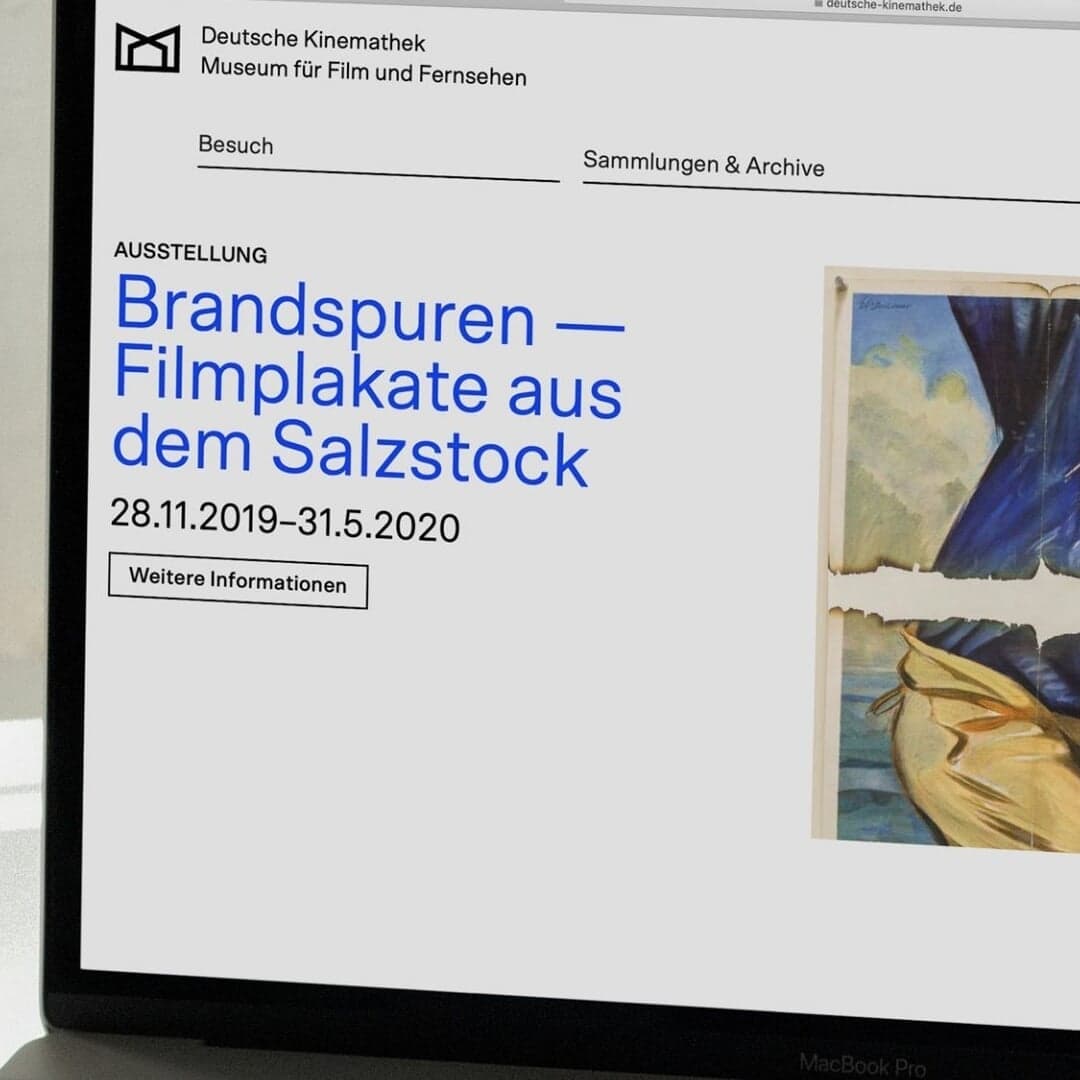
Eps51 combines visual identity work with a website that organises exhibitions, archives and collections. Large images and films sit within a clearer information structure. The lesson is that a museum’s identity must help people find material as well as announce the institution.
Use the brief and production constraints to choose a reference. These are editorial comparisons of the documented work.
Curated by the D1S1 editors. Last reviewed . Every credit above comes from the studio’s own case page, linked on each entry.