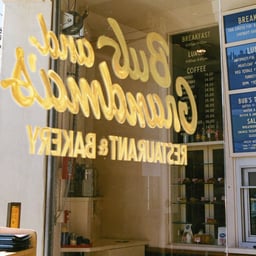
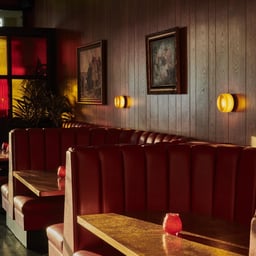
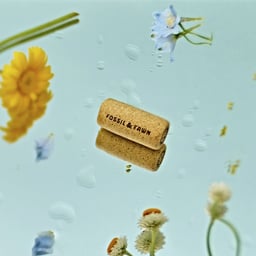
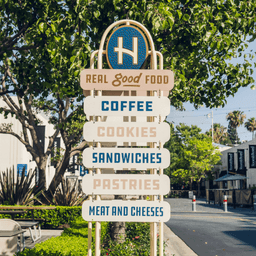
CLUB is a Los Angeles–based art and design studio founded by Noah Love and A.J. Mercer. The studio celebrates timeless design principles through contemporary expression, specializing in graphic identities and art direction. CLUB’s multidisciplinary practice spans branding, packaging, type design, and environmental graphics, with a focus on clarity and integrity across all mediums. Their client roster includes Soho House, Vans, and Amazon Studios, reflecting a commitment to crafting enduring visual narratives for leading brands and cultural institutions.
Technologies detected on CLUB's website.
Creative Boom interviews Explorers Club founders Ayo Fagbemi and Aaron Skipper about their rapid growth, philosophy of brave and playful design, and projects for major brands like Atlantic Records, Coca-Cola, and Instacart. The duo discuss how strategy and design intertwine to create culture-shaping work, emphasizing community, clarity, and collaboration. The article explores their process, from generative identities to tactile book design and live event branding.
Creative Boom reports that Newspaper Club has launched a new 'midi' format, bridging the gap between magazines and newspapers. The format offers an affordable, accessible way for creatives to print their work physically, with options for lighter or heavier FSC-certified paper stocks. It’s aimed at designers, photographers, students, and small brands seeking tangible ways to share their projects.
Creative Boom’s October 2025 'Booms & Shakes' roundup highlights major agency appointments, client wins, and new studio launches across the global creative industry. M+C Saatchi, New Commercial Arts, and W+K Amsterdam secured major accounts, while leaders like Lisa Carrana and Marina Ammirato took new roles. The article also spotlights new ventures such as Playmaker Creative Club and Studio Deakin, reflecting a confident and expanding design sector.
Creative Boom launches its first 'Booms & Shakes' monthly roundup, highlighting new hires, client wins, leadership changes, and studio launches across the creative industry. Agencies like ARK, VCCP, Genoa Black, and The Midnight Club feature prominently, alongside new ventures such as Strategy Department and GOOD Studio. The article also notes D&AD CEO Dara Lynch’s departure and regional creative initiatives in Manchester.
The article spotlights Tom Emmerson’s direction of Bakar’s new music video 'Lonyo!', a joyful, human-centered film featuring schoolchildren dancing in a London playground. Emmerson collaborated with a choreography team and production company Business Club to create a warm, uplifting visual that celebrates community and youth. The piece highlights Emmerson’s signature kinetic style and his intent to counteract negativity in creative culture.
BP&O features The Colour Club’s branding for Tsukiyo, a Japanese street food restaurant in Sydney inspired by Osaka’s Dotonbori district. The identity uses GT Maru Mono typography, bold gradients, and kinetic logo motion to evoke the energy and atmosphere of Japanese nightlife. The project balances cultural references with restraint, creating a poetic and modern brand system across packaging, signage, and digital applications.
Creative Boom profiles We Three Club’s new book '2 or 3 Colours', a retrospective celebrating 15 years of the Cambridgeshire studio’s screen-printed gig posters. Founders Christopher and Alex White reflect on their DIY beginnings, collaborations with major bands, and the tactile artistry of limited-colour printing. The book marks both a milestone and a new chapter for the studio.
Creative Boom has launched The Studio, a private online community for creative professionals that has quickly grown into a global hub for learning and networking. The platform offers curated events, workshops, and discussions led by industry leaders, providing freelancers and creatives with meaningful connections and practical insights. The article highlights its rapid growth, notable speakers, and upcoming sessions throughout 2025.
Newspaper Club has launched its first self-published newspaper, The Printing Press, celebrating the creative potential of print. Designed in collaboration with D8 Studio, the project is supported by a national billboard campaign with Build Hollywood and a London kiosk takeover with News & Coffee. The initiative highlights a renewed interest in print as a storytelling and branding medium.
The Brand Identity features Queer Design Club’s refreshed visual identity, which celebrates queer history and community while evolving the organisation’s tone and presence. Co-founders Rebecca Brooker and John Voss collaborated with queer designers Molly O’Neill and Ritesh Gupta, drawing inspiration from archival materials curated by Elizabeth Goodspeed. The new identity embraces Pride-inspired colors, the Martin typeface by Tré Seals, and a playful yet mature aesthetic that reflects the club’s mission for visibility and systemic change.
The Brand Identity features Order Type Foundry’s new Sita superfamily, designed by Edouard Berard. Drawing from British typographic heritage, Sita merges a Scotch Roman-inspired serif with a British grotesque-influenced sans, forming a cohesive yet flexible system. The project balances historical homage with modern refinement, resulting in a versatile contemporary type family.
The article profiles Can Can Press, a Mexico City-based Risograph studio founded by Gabino Azuela and Jackie Crespo. It explores how the studio has expanded from printmaking into multidisciplinary design, including branding, editorial work, and a streetwear line called Underground Souvenirs. The piece also highlights their upcoming Hardcore Art Book Fair, which aims to foster community and collaboration in the independent publishing scene.
The article profiles Basketclub, a global community initiative founded by designers Adrianus Kundert and Jamie Wolfond to explore modern basket making through emoji-themed briefs. The project celebrates manual craftsmanship and collaboration, bringing together designers worldwide to reinterpret traditional basketry. It highlights the club’s evolution, notable collaborations, and upcoming exhibition at Schloss Hollenegg in Austria.
The Brand Identity’s feature by Ritupriya Basu spotlights Newspaper Club’s enduring influence in reviving print culture since 2009. Through five diverse projects—from Dishoom’s Bombay-inspired zine to Cubitts’ journal and Craig Ward’s AI-driven photo essay—the article demonstrates how the studio empowers creatives and brands to explore tactile, expressive print formats. It celebrates the resurgence of print as a medium of storytelling, activism, and craft.
Creative Boom’s Tom May curates a list of 14 illustrated T-shirts perfect for spring, highlighting independent brands and artists who merge creativity with sustainability. The roundup celebrates hand-drawn, screen-printed, and embroidered designs that express individuality and eco-conscious values.
The Brand Identity’s article by Poppy Thaxter highlights five standout sans serif typefaces—Neue Montreal, ABC Favorit, Aeonik, Roobert, and GT America—showcasing how they’ve been used across various branding projects. The piece references multiple studios and designers who have applied these fonts in identities spanning fitness, real estate, fashion, and technology sectors. It celebrates the versatility and enduring appeal of sans serif typography in modern brand design.
Creative Boom features Málaga-based studio Tiquismiquis Club and its design for the 54th ADG Laus Awards yearbook. The publication explores the theme of territory, connecting people and places through photography, maps, and textures. Founders Roberto Espartero and Juan Martin developed a dual-format book that celebrates geographic diversity and inclusivity in Spanish design.
The article profiles Málaga-based studio Tiquismiquis Club, founded by Roberto Espartero and Juan Martín, known for its meticulous approach to visual identity and editorial design. The studio’s projects span cultural and artistic clients, from film graphics to magazine design, all marked by a deep attention to typographic and historical detail. Their work reflects a philosophy of perfectionism and research-driven creativity.