Barbican
Design work for Barbican, collected from the studios behind it.
- Design cases
- 8
- Studios
- 5
- Latest work added
- Jul 2025
- Exhibition Design 5
- Brand Identity 1
- Campaign 1
- Installation 1
Design cases by studio
A preview of 6 cases across 5 studios. The full collection is included with Pro.
A Practice for Everyday Life (3)
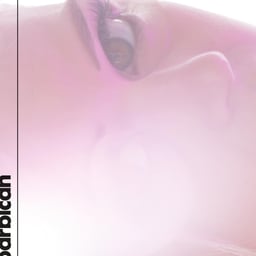
- Exhibition and Publication Design for Carolee Schneemann: Body Politics
- A Practice for Everyday Life designed the exhibition and accompanying monograph for 'Carolee Schneemann: Body Politics' at the Barbican, co-published with Yale University Press. The design uses translucent fabric walls, warm gradients, and tactile typography to evoke the performative and intimate nature of Schneemann’s work, while the publication draws from 1960s–70s New York ephemera and the artist’s own experimental bookmaking.

- Exhibition and Book Design for Michael Clark: Cosmic Dancer
- A Practice for Everyday Life created the exhibition and accompanying monograph for 'Michael Clark: Cosmic Dancer' at the Barbican Art Gallery. The design combined bold neon, large-scale imagery, and dynamic typography to reflect Clark’s fusion of classical and contemporary dance. The publication extended this visual language through immersive layouts and luminous gradients that captured the energy of live performance.

Mother Design (2)
- Digital Campaign for Barbican Digital Revolution
- This project page appears to be unavailable, showing only an error message. Based on the URL, it likely featured a digital campaign or visual identity created for the Barbican’s 'Digital Revolution' exhibition, exploring technology and creativity.
Field (1)
- Interactive Light Installation for Barbican Exhibition
- FIELD.IO collaborated with the Barbican to create 'Together: the distance between (us)', an immersive light installation exploring connection and separation through interactive technology. The piece responds to audience movement, transforming spatial relationships into dynamic light and motion.

Koseda (1)
- Exhibition Branding for Barbican Mangasia
- A proposal for the graphic and architectural design of Barbican’s touring manga exhibition, Mangasia. The concept explored typographic contrasts between cultures, using bold visual elements inspired by manga and anime communication styles.
Atelier Dyakova (1)
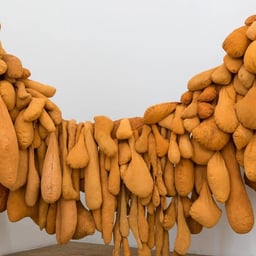
- Catalogue and Exhibition Graphics for Unravel: the Power and Politics of Textiles in Art
- Atelier Dyakova created the catalogue and exhibition graphics for 'Unravel: The Power and Politics of Textiles in Art,' a major show co-curated by the Barbican in London and the Stedelijk Museum in Amsterdam. The design supports an exhibition exploring how artists use textiles to express themes of power, resistance, and resilience.
See all cases
Sign in to your Pro account to see all 8 cases for Barbican. Full client collections require Pro.
Sign inDesigners behind the work
Designers and creative leads credited on Barbican projects in press coverage.


