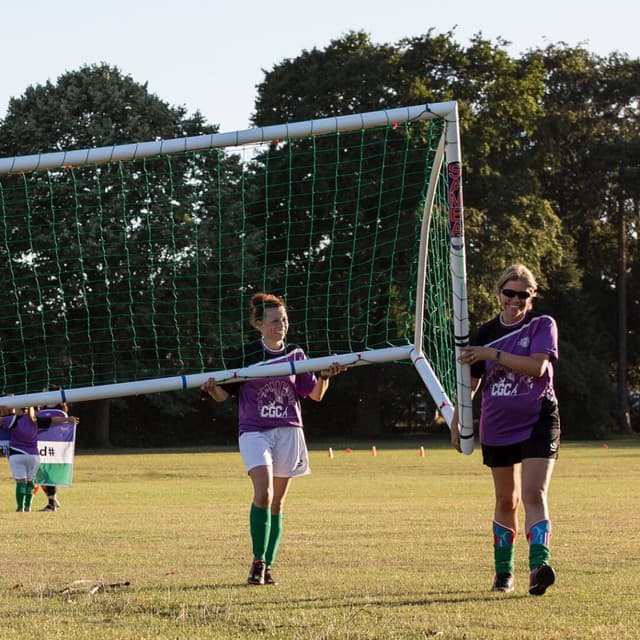
Nomad Studio created a campaign for The FA that celebrates the England Lionesses and aims to inspire women and girls across the country to engage with football. With the home Women’s Euros generating immense interest, the studio gathered insights from thousands of participants over three months. This feedback informed the creation of 23 bespoke artworks, each illustrating a Lioness, displayed on out-of-home (OOH) sites in the players' hometowns. Additionally, limited edition Risograph posters were designed and delivered to the camp ahead of the tournament. This initiative emphasizes the impact of the Lionesses, fostering a legacy that encourages younger generations to participate in the sport.

The article gathers insights from leading creative directors and studio founders about their strategic priorities for 2026. Themes include efficiency through AI, the growing importance of strategy, blurred boundaries between disciplines, and the need for bold, distinctive creative work. Despite economic uncertainty, many studios express optimism and a focus on smarter, more collaborative approaches.
Liz Gorny’s opinion piece for It’s Nice That explores whether client briefs in the creative industry are deteriorating in quality. Drawing on perspectives from industry figures like Aries Moross, Terry Stephens, Mike Reed, and Ed Tsue, the article examines trends such as longer, AI-written, and more collaborative briefs, as well as issues of stakeholder misalignment. While some see these changes as signs of decline, others view them as evidence of growing client awareness and ambition.
Katy Cowan argues that communication, not talent, is the most vital skill for freelancers. Drawing on her experience and examples from Stuart Watson of Nomad and James Ede of Be Heard, she explains how consistent, respectful communication builds trust and long-term client relationships. The article emphasizes that reliability and clarity often matter more than creative brilliance in sustaining a freelance career.