← Back to Fonts
Bodoni — 1 case
Used by Size
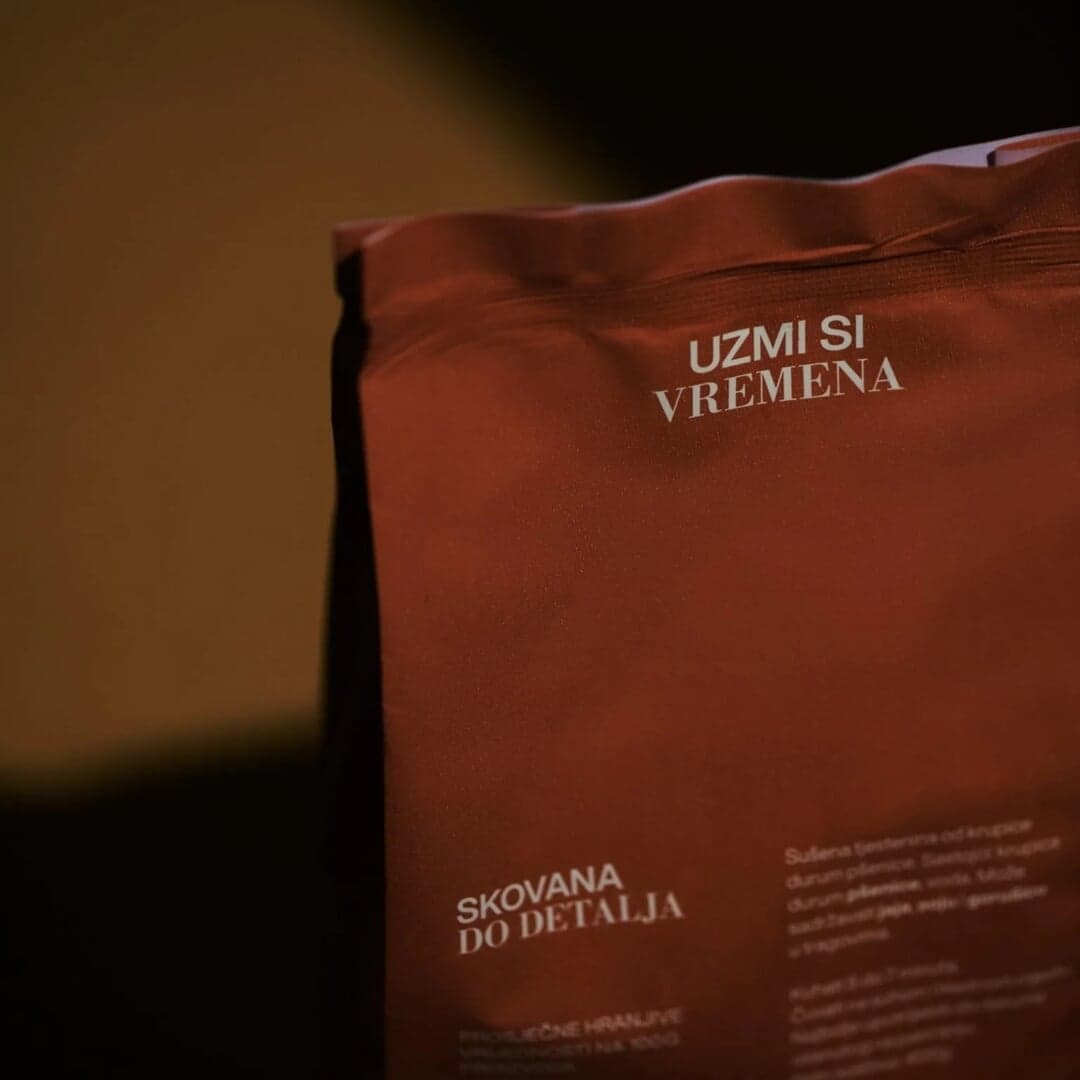
Set for Bronza
Cases set in Bodoni, as credited by the studios in their own writeups.
Bodoni in the news
- Best New Fonts to Watch This September 2026
Creative Boom · Sep 18, 2026
Creative Boom's September 2026 Type Drop surveys newly released typefaces from independent designers and foundries. Highlights include Göran Söderström's long-developed, multilingual Exemplar; a politically conscious Victorian-grotesque-inspired Foundry Kingdom; and display, editorial, branding and packaging-oriented releases including Autêntica Serif, Castillon, Peignot Jumbo, Vieno, Novaform, Raimundo and Arpeggio.
Letters from Sweden205TFThe Foundry Typesother - Best New Fonts for September 2026
Creative Boom · Sep 18, 2026
Creative Boom's September 2026 type roundup surveys newly released typefaces ranging from Brazilian-Brutalist-inspired serif Autêntica Serif to 1970s-informed Novaform. A key feature is Göran Söderström's Exemplar, completed after 32 years of development and commemorated with marble street signs in Pietrasanta, Italy. The selected releases foreground historical references, flexible families, display impact and multilingual functionality.
Letters from Sweden205TFThe Foundry Typesother - George Lois’ Shocking Vietnam Cover Still Hits Hard
· Apr 1, 2026
Steven Heller revisits George Lois’s 1965 Esquire cover for John Sack’s Vietnam War story, a typographic design that shocked readers with its stark message and minimalist power. The article reflects on how the once-provocative image has lost some of its impact in a world desensitized to wartime atrocities.
Esquireeditorial - Elizabeth Goodspeed Explains Why Studios Create Custom Fonts
It's Nice That · Oct 23, 2025
Elizabeth Goodspeed explores the growing trend of design studios creating their own custom typefaces as part of brand identity systems. The article examines how typography has evolved from a supporting role to a central brand asset, citing examples from studios like Koto, Order, and R&M. It argues that custom fonts offer brands originality, flexibility, and stronger visual ownership in an increasingly crowded design landscape.
- Igor Kolomiiets’ distinctive Spice-Girls-inspired modular system for NMJ champions individuality
The Brand Identity · Nov 1, 2022
Kyiv-based designer Igor Kolomiiets rebranded modelling school NMJ with a modular identity inspired by Spice Girls-era nostalgia and youthful individuality. The system combines Helvetica Neue and Bodoni with expressive photography, variable borders, and a vivid color palette to reflect the school's creative spirit. The project balances playful digital references with timeless typographic structure.
Igor KolomiietsNMJ (Nagorny Models Junior)branding - Paul Belford on Ads: V&A print campaign
BP&O · Jun 28, 2022
Paul Belford revisits Saatchi & Saatchi’s 1988 print campaign for the V&A Museum, praising its bold strategy, witty copy, and masterful photography. The campaign successfully rebranded the museum for a younger audience, balancing irreverence with sophistication. Belford contrasts its confident minimalism with later, more heavy-handed branding approaches.
Saatchi & SaatchiVictoria and Albert Museum (V&A)advertising