Brand Identity Refresh for the Harry Ransom Center
Why would a 50-year-old academic center lead with just “HRC”?
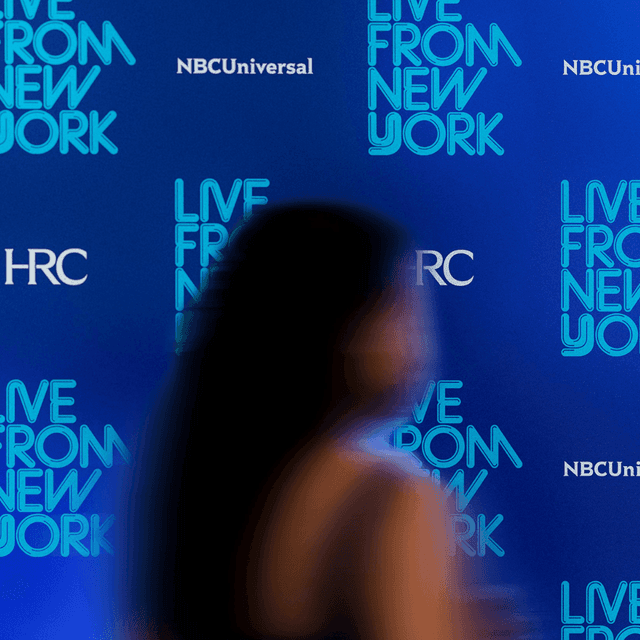
Pentagram’s Austin office developed a refreshed identity for the Harry Ransom Center at the University of Texas at Austin, marking its 50th anniversary. The redesign modernizes the historic HRC mark with the GT Ultra typeface, a vibrant color palette, and a more approachable tone to engage a broader audience while preserving its scholarly legacy.
Insights
- The problem wasn’t the collection—it was obscurity: the Harry Ransom Center sits in a “non-descript, brutalist building” on UT Austin’s campus, admired by scholars worldwide but “not well known” to Austin newcomers or even UT students walking past daily. Pentagram’s Austin office (Partner: DJ Stout; team: Connor O’Neill, Delta Murphy, Davian-Lynn Hopkins) was brought in Fall 2023 to refresh the identity for HRC’s 50th anniversary.
- Rather than a total overhaul, Pentagram chose evolution: the original mark (all-caps Trajan, with “H” and “R” sharing a vertical stroke) had decades of recognition and an accidental-but-appropriate “Texas cattle brand” feel—yet it looked dated and failed at small sizes, especially in today’s digital applications.
- Core design moves: re-cast the identity in GT Ultra (by Noël Leu for Grilli Type), chosen because it “dances between the worlds of sans and serifs,” fusing calligraphy and construction, with many weights/cuts to flex across applications and across the Center’s broad holdings (literature, photography, art, film, performing arts).
- The mark was redrawn in GT Ultra Median so the “H” and “R” connect “more seamlessly and purposefully,” while the full name shifts to sentence case (“Harry Ransom Center”) for readability and a more approachable tone—balancing scholarly legacy with broader public engagement.
- Strategic naming shift: although the public already used “HRC,” the Center internally tended to spell out the full name; the new system officially leads with the acronym icon—positioning HRC like “MoMA” and “The Met.” The guidelines also introduce a rich, vibrant palette with specific recommended color combinations, designed to feel “sassy” against vintage collection imagery—supporting an institution that offers free admission and houses massive holdings (nearly 1M books, 42M+ manuscripts, 5M photographs, 100,000 works of art, including one of only 20 Gutenberg Bibles and the earliest surviving photograph).
Keep exploring
Related cases